
Introduction
In the modern construction landscape, the need for efficient, sustainable, and adaptable living spaces is more critical than ever. One innovative solution that has emerged is the T Model prefab house, specifically designed for construction sites. This article will explore the features, benefits, design considerations, applications, and future trends of T Model prefab houses, highlighting how they can transform temporary living and working conditions for construction workers.
Overview of Prefabricated Housing
Definition of Prefabricated Housing
Prefabricated housing, often referred to as prefab housing, involves the manufacturing of building components off-site in a controlled environment. These components are then transported to the construction site for assembly. This method contrasts with traditional on-site construction, which can be time-consuming and labor-intensive.
Advantages of Prefabricated Housing
- Speed of Construction: Prefab houses can be assembled much more quickly than traditional homes.
- Cost Efficiency: Reduced labor costs and material waste contribute to overall savings.
- Quality Control: Factory production allows for better quality control and consistency.
- Sustainability: Many prefab homes utilize sustainable materials and energy-efficient designs.
The T Model Prefab House
Design Features
The T Model prefab house is characterized by its unique design, which provides both functionality and comfort:
- T-Shaped Layout: This design maximizes space, offering distinct living and working areas.
- Modular Components: Each section can be prefabricated and connected on-site, allowing for easy expansion or reconfiguration.
- Durable Materials: Constructed from high-quality, weather-resistant materials that ensure longevity and durability.
Interior Configuration
The interior of a T Model prefab house typically includes:
- Living Quarters: Comfortable sleeping areas designed for relaxation after long work hours.
- Kitchenette: A small kitchen area equipped with essential appliances for meal preparation.
- Bathroom Facilities: Compact bathrooms with modern amenities for convenience.
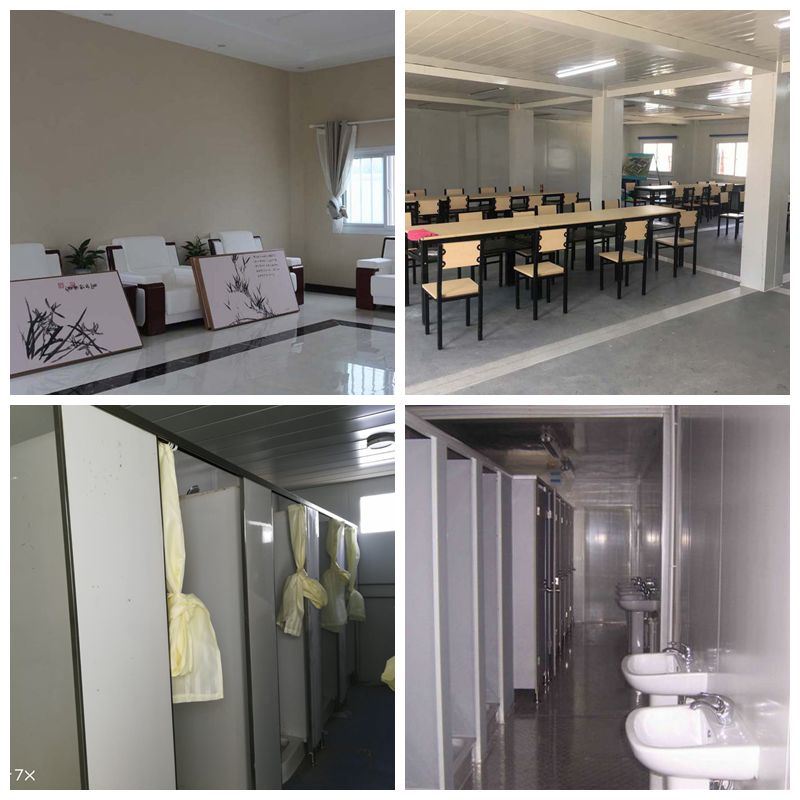
Aesthetic Appeal
Beyond functionality, the T Model prefab house can be designed with aesthetics in mind:
- Modern Finishes: Use of contemporary materials and colors to create an inviting atmosphere.
- Natural Lighting: Large windows and open designs that enhance natural light and ventilation.
Benefits of T Model Prefab Houses for Construction Sites
Flexibility and Adaptability
T Model prefab houses are highly flexible, making them ideal for construction sites:
- Relocation: Easily transportable structures that can be moved to different sites as needed.
- Expandable: Additional modules can be added to accommodate more workers or changing project needs.
Cost-Effectiveness
Cost efficiency is a significant advantage:
- Reduced Labor Costs: Quick assembly means less time spent on-site, reducing labor expenses.
- Lower Overhead: Minimal site preparation and foundation work lower overall project costs.
Enhanced Worker Comfort
Creating a comfortable living environment is crucial for worker morale:
- Private Spaces: Individual rooms or shared accommodations that promote privacy.
- Functional Amenities: Facilities designed to meet the basic needs of workers, contributing to their well-being.
Safety and Compliance
Safety is paramount on construction sites:
- Regulatory Compliance: T Model prefab houses can be designed to meet local building codes and safety regulations.
- Fire Resistance: Use of fire-resistant materials ensures a safe living environment.
Applications of T Model Prefab Houses
Temporary Worker Housing
One of the primary applications of T Model prefab houses is as temporary housing for construction workers:
- Rapid Deployment: Can be set up quickly to provide immediate accommodation.
- Comfortable Living Conditions: Offers a better alternative to traditional temporary housing, such as trailers or tents.
Site Offices
In addition to housing, T Model prefab houses can serve as site offices:
- Project Management Spaces: Dedicated areas for meetings, planning, and administrative tasks.
- Flexible Layouts: Easily adaptable to meet the changing needs of the project.
Training Facilities
These prefab houses can also be utilized as training centers on construction sites:
- Workshops: Spaces for skill development and safety training.
- Classrooms: Designed for educational purposes, accommodating groups of workers.
Design Considerations for T Model Prefab Houses
Structural Integrity
Ensuring structural integrity is crucial for safety:
- Load-Bearing Capacity: Must be designed to support the weight of occupants and equipment.
- Weather Resistance: Materials should withstand local climate conditions, including wind, rain, and snow.
Interior Layout
An efficient interior layout enhances functionality:
- Space Optimization: Smart design can maximize usable space while minimizing clutter.
- Accessibility: Layout should ensure easy access to all areas, especially in emergency situations.
Utility Integration
Effective utility integration is essential for comfort:
- Plumbing and Electrical Systems: Pre-installed systems that meet the needs of occupants.
- Heating and Cooling: Efficient HVAC systems to maintain a comfortable environment.
Case Studies
Successful Implementation
- Project A: A major infrastructure project utilized T Model prefab houses for worker accommodation. The quick setup reduced project delays and enhanced worker satisfaction.
- Project B: A remote mining operation implemented T Model houses as both living quarters and offices. This solution provided a comfortable environment, improving productivity.
- Project C: A construction site for a new commercial building used prefab houses as training facilities, enabling skill development for workers in a convenient location.
Client Testimonials
Clients frequently praise the T Model prefab houses for:
- Efficiency: Quick assembly and relocation capabilities.
- Comfort: Enhanced living conditions compared to traditional temporary housing.
Challenges and Solutions
Common Challenges
While T Model prefab houses offer numerous advantages, certain challenges can arise:
- Regulatory Hurdles: Navigating building codes can be complex, especially in different locations.
- Initial Costs: Although generally cost-effective, upfront costs can still be a concern for some clients.
Mitigation Strategies
- Expert Consultation: Engaging professionals to navigate regulatory requirements can simplify compliance.
- Flexible Financing Options: Offering financing solutions can help manage initial costs.
Future Trends in Prefab Housing
Technological Advancements
The future of prefab housing, including T Model designs, will be shaped by technological innovations:
- Smart Home Features: Integrating IoT devices for energy management and security.
- Sustainable Materials: Increasing use of eco-friendly materials in construction.
Market Demand
As the construction industry evolves, the demand for prefab housing will likely grow:
- Remote Work Trends: The rise of remote work may increase the need for flexible housing solutions.
- Globalization: Companies operating in multiple regions will require efficient and adaptable living accommodations for their workforce.
Sustainability Focus
Sustainability will continue to be a driving factor in construction:
- Green Certifications: More prefab houses will seek certifications to meet the growing demand for sustainable options.
- Renewable Energy Integration: Incorporating solar panels and energy-efficient systems to reduce environmental impact.
Conclusion
The T Model prefab house offers a modern, efficient, and comfortable solution for construction sites, addressing the diverse needs of workers and project managers. With its unique design, flexibility, and cost-effectiveness, it represents a significant advancement in temporary housing solutions. As the construction industry continues to evolve, T Model prefab houses will play an increasingly important role in shaping the future of worker accommodations, enhancing productivity and satisfaction on job sites. By embracing innovation and sustainability, the T Model prefab house stands poised to meet the challenges of modern construction environments.
Contact Us
Post time: Jul-29-2024